Best Products for Caregivers: Tools That Make Your Job Easier
Caregiving is one of the most physically and emotionally demanding roles a person can take on. Whether you are a professional home health aide or a family member caring for an aging parent, the daily tasks of lifting, transferring, and supporting another person take a toll on your body. The right tools can make a tremendous difference, reducing the physical strain on you while improving the comfort and safety of the person you are caring for. This roundup highlights the best products designed specifically to make the caregiver's job easier, safer, and more sustainable over the long term.
Why This Matters
Caregiver burnout is a serious and growing crisis. Studies show that more than 60 percent of family caregivers experience significant back pain, and caregiver injury rates rival those of professional construction workers. The irony is that many caregivers neglect their own health while dedicating everything to their loved one's wellbeing. Investing in ergonomic transfer tools, supportive devices, and self-care products is not a luxury for caregivers. It is a necessity. When a caregiver gets injured, both they and the person they care for suffer. The products below protect both parties and make daily caregiving tasks more efficient and less physically punishing.
1. Senior Mobility Sling Easy Bed Transfer Belt
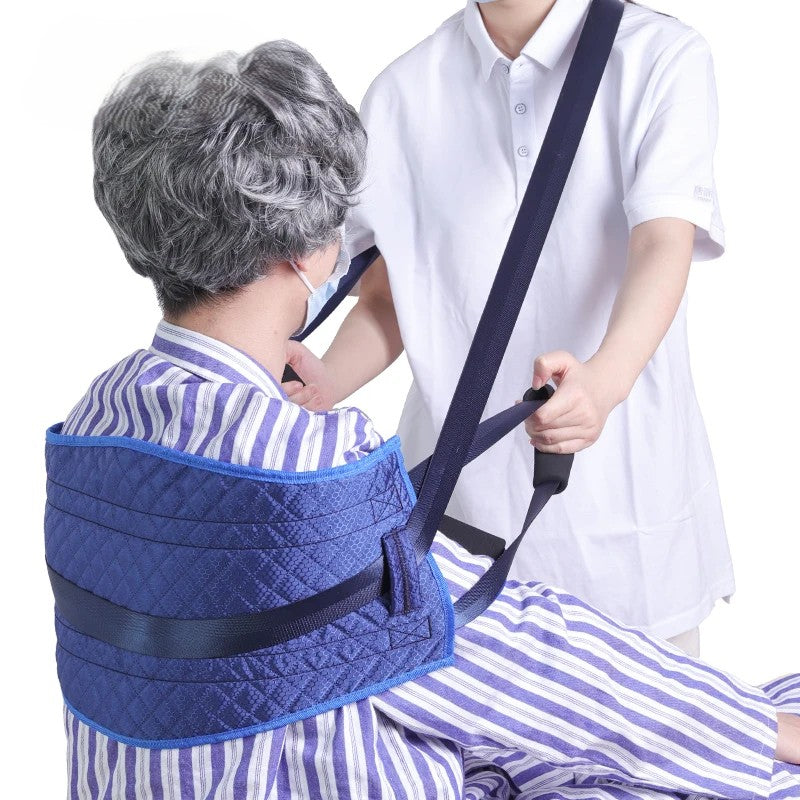
Transferring a senior from bed to wheelchair, or from wheelchair to toilet, is one of the most physically demanding tasks caregivers face multiple times per day. This transfer belt wraps around the senior's torso and provides sturdy handles for the caregiver to grip, turning an awkward lift into a controlled, ergonomic transfer. The belt distributes the senior's weight more evenly, reducing the risk of back injury for the caregiver and providing a more secure, comfortable experience for the person being moved.
At under $31, this is one of the most affordable yet impactful caregiver tools available. The belt is made from durable, washable material with padded edges to prevent chafing against the senior's skin. The handles are positioned at multiple points around the belt, allowing the caregiver to choose the best grip angle for each specific transfer situation. Professional home health aides often consider transfer belts to be the single most essential piece of equipment in their toolkit, and this model delivers professional-grade functionality at a consumer-friendly price.
2. Elderly Transfer Ultimate Mobility Solution Shoulder Belt
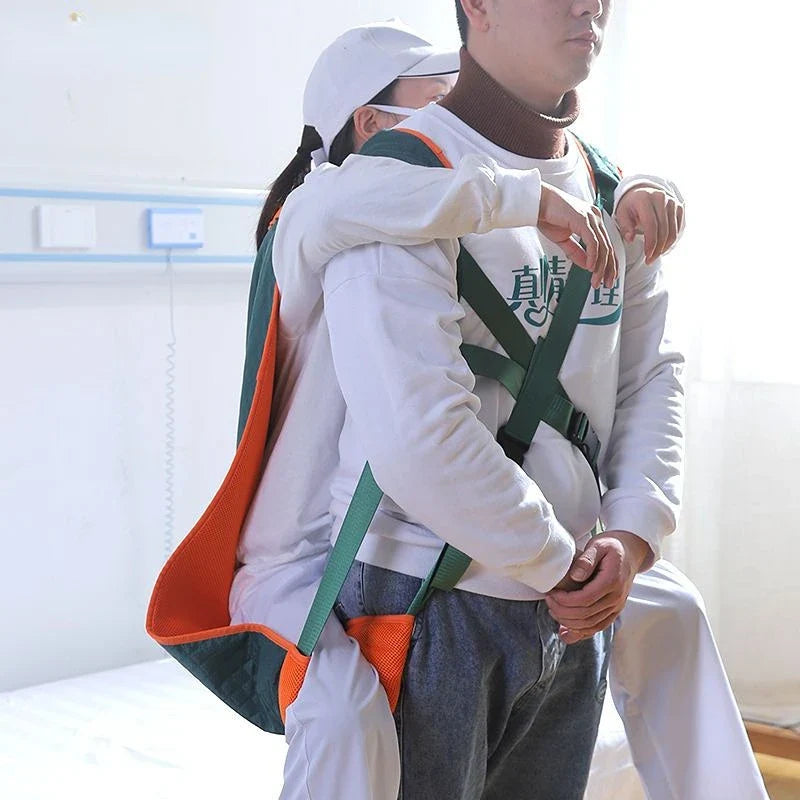
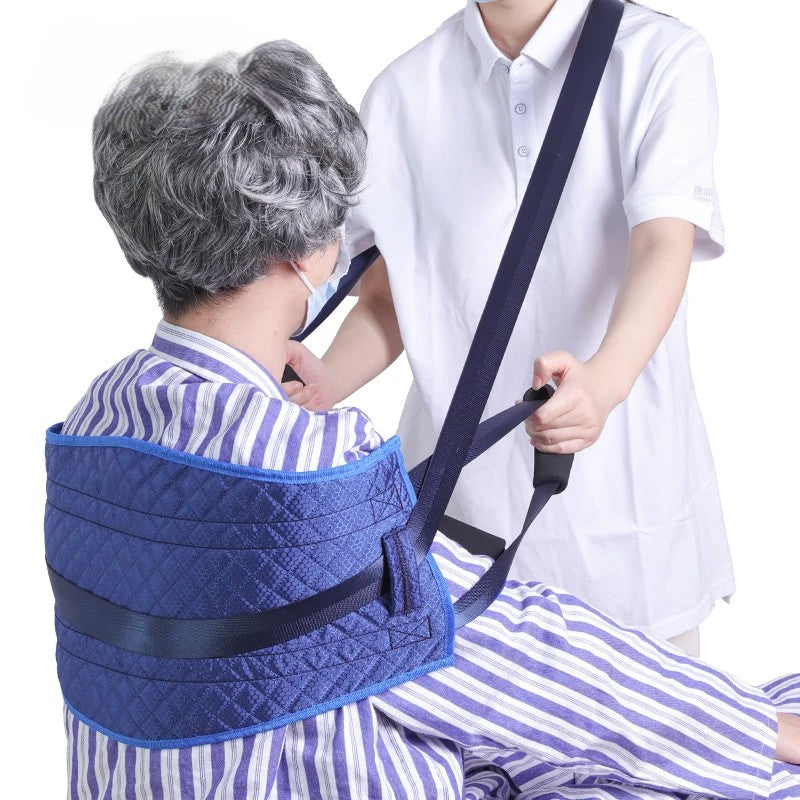
For seniors who need more support than a simple belt can provide, this comprehensive shoulder transfer system is the upgrade caregivers need. It includes shoulder straps and a full torso harness that distributes the senior's weight across the caregiver's strongest muscle groups, making assisted walking and transfers significantly easier. This is particularly valuable for seniors who have partial mobility but cannot bear their full weight independently.
The shoulder belt design shifts the lifting load away from the caregiver's lower back and onto their legs and core, dramatically reducing the risk of the back injuries that plague long-term caregivers. The padded construction ensures comfort for the senior during transfers, and the quick-release buckles make it easy to put on and remove. For caregivers who assist with multiple transfers throughout the day, this system pays for itself many times over in prevented injuries and reduced fatigue. It is also invaluable during rehabilitation when seniors are relearning to walk after a stroke or surgery.
3. Electric Adjustable Temperature Heating Pad
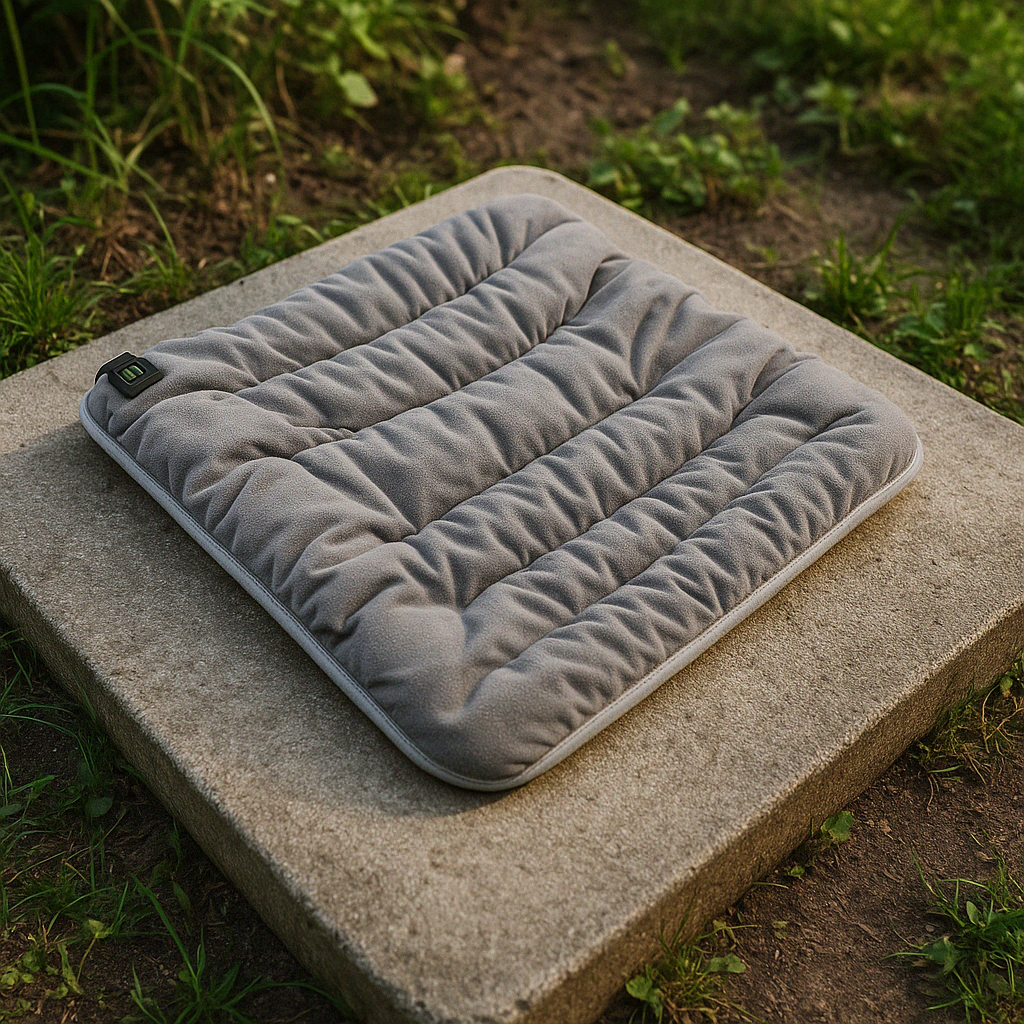
This product serves double duty in a caregiving household. For the senior, a heating pad provides targeted relief for arthritis, muscle pain, and joint stiffness. For the caregiver, it is a godsend for the sore back, aching shoulders, and tired muscles that come from a day of lifting and supporting another person. The adjustable temperature settings let each user find their ideal heat level, from gentle warmth to deep therapeutic heat.
The pad is large enough to cover the full back, shoulders, or lap, and the soft, washable fabric is gentle on sensitive elderly skin. The auto-shutoff timer is a critical safety feature, preventing burns if the user falls asleep. A well-placed heating pad can reduce a senior's pain enough that they need less hands-on assistance during the day, which in turn gives the caregiver a break. It is a simple, affordable product that improves quality of life for both the giver and the receiver of care.
4. Self-Heating Magnetic Back Support Massager
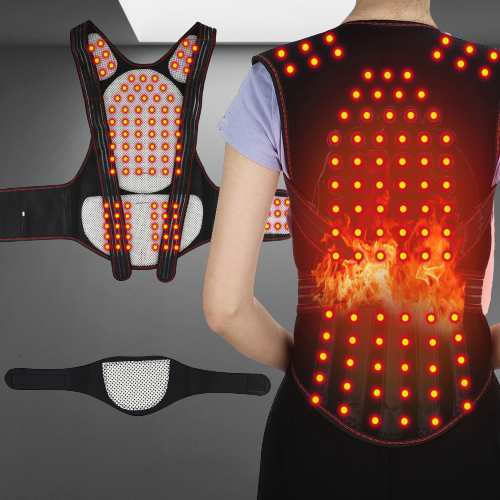
Caregivers need support too, and this self-heating magnetic back support is designed to be worn during daily activities. It wraps around the lower back and uses tourmaline-infused fabric that generates gentle heat through contact with the body. The embedded magnets are positioned along acupressure points on the back, providing a subtle therapeutic effect that many users find genuinely comforting during long days of physical work.
Unlike electric heating pads that require you to sit still, this wearable support goes with you. Caregivers can wear it while helping their loved one bathe, preparing meals, or doing household chores. The compression effect of the wrap itself provides posture support and reminds the wearer to engage their core muscles during lifts, which is one of the most important injury-prevention techniques. At under $30, this is an investment every caregiver should make in their own physical wellbeing. Think of it as preventive maintenance for the body you depend on to care for others.
5. Adjustable Lumbar Support Back Posture Corrector
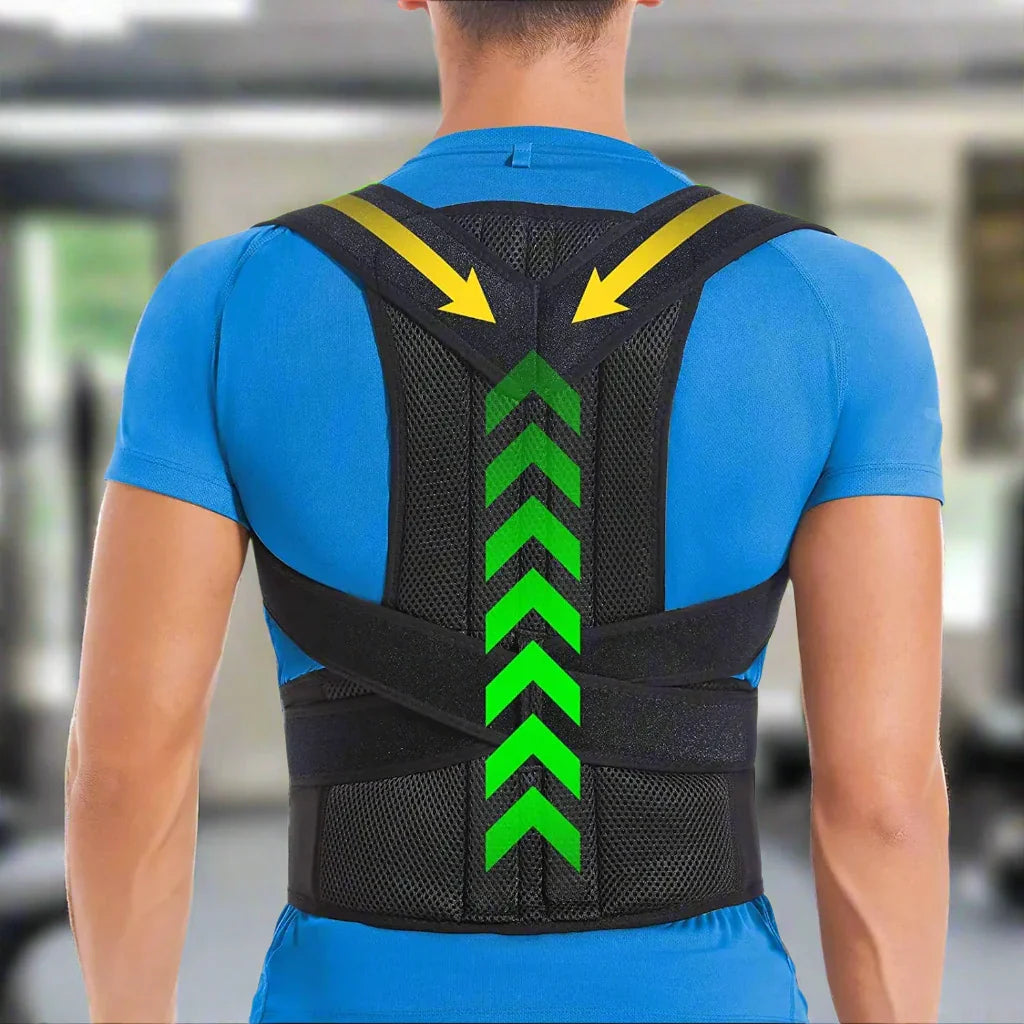
Poor posture is the root cause of most caregiver back pain. When you spend your days bending, reaching, and lifting, your body naturally develops compensatory posture patterns that lead to chronic pain. This adjustable posture corrector gently pulls the shoulders back and aligns the spine, training your muscles to maintain proper posture throughout the day. It can be worn discreetly under clothing, so it works during active caregiving without getting in the way.
The adjustable straps allow you to customize the level of correction from gentle to firm, and the breathable mesh fabric prevents overheating during physical activity. Many caregivers report that wearing a posture corrector for just a few hours per day significantly reduces the back and neck pain they experience by evening. At under $15, this is the most affordable self-care investment a caregiver can make. Combined with proper lifting techniques and the transfer tools listed above, it forms a comprehensive approach to protecting the caregiver's body from the cumulative damage of daily physical caregiving.
Buying Guide: What to Consider
When selecting caregiver tools, think about the specific transfers and tasks you perform most frequently. If bed-to-wheelchair transfers are your biggest challenge, start with a transfer belt or shoulder sling. If back pain is your primary concern, invest in a posture corrector and heating pad first. Consider the size and weight of the person you are caring for, as some products have weight limits. Always look for washable materials, since caregiving products get dirty quickly. And remember that investing in your own physical health is not selfish. It is the only way to sustain your ability to care for your loved one over months and years.
Frequently Asked Questions
What is the best way to prevent back injuries while caregiving?
Use transfer belts and slings for every lift and transfer, even short ones. Never lift with your back; always bend your knees and use your legs. Wear a posture corrector during active caregiving hours, and use a heating pad or back support to recover afterward. Most importantly, ask for help with heavy transfers rather than trying to manage alone.
Are transfer belts safe for the person being moved?
Yes, when used correctly, transfer belts are much safer than unassisted transfers. They provide more control and stability, reducing the risk of falls during the transfer. The padding prevents skin irritation, and the multiple handles give the caregiver more options for adjusting grip and angle.
How can caregivers manage their own pain while caring for someone else?
Prioritize self-care tools like heating pads, back supports, and posture correctors. Schedule regular breaks during the day, even if they are short. Use ergonomic transfer tools for every physical task. And do not ignore persistent pain. Caregiver injuries often start small and worsen over time, so address pain early before it becomes debilitating.
Conclusion
Caring for an elderly loved one is a labor of love, but it should not come at the cost of your own health. The products in this roundup address the most common physical challenges caregivers face, from heavy transfers to chronic back pain. Transfer belts and shoulder slings make daily lifting safer and easier, while heating pads and posture correctors help your body recover from the demands of the day. Invest in these tools early, use them consistently, and remember that taking care of yourself is the best thing you can do for the person who depends on you.
Written by