Best Seat Cushions for Elderly Comfort: Orthopedic Picks for 2026
Best Seat Cushions for Elderly Comfort: Orthopedic Picks for 2026
Seniors spend an average of 9-10 hours per day seated, making the quality of their seating surface a critical factor in daily comfort and long-term health. Poor seating contributes to pressure sores, circulation problems, chronic back pain, and even reduced appetite due to discomfort. The right orthopedic seat cushion can address all of these issues. We have tested and compared the best seat cushions for elderly adults to help you choose the ideal option.
Our Top 4 Picks Compared
Each of these cushions takes a different approach to comfort and support. Here is how they stack up across the categories that matter most to seniors and caregivers.
1. Back Support Memory Foam Seat Cushion — Best Overall
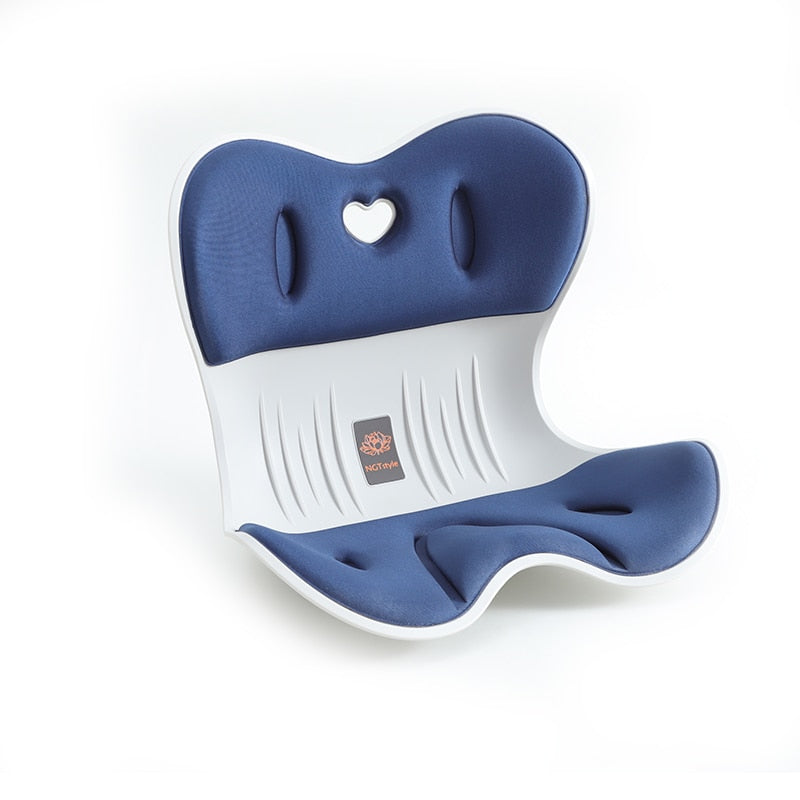
The Back Support Memory Foam Seat Cushion ($99.95) earns our top pick for its exceptional combination of comfort, durability, and ergonomic design. The high-density memory foam contours to the user's body shape and distributes weight evenly across the entire seating surface.
What Sets It Apart
The contoured design tilts the pelvis slightly forward, which naturally encourages proper spinal alignment. This is not just about comfort; it actively reduces the slouching that leads to back pain and breathing difficulties. The removable, machine-washable cover is a practical feature that caregivers will appreciate.
Pros: Premium foam that retains shape, ergonomic contour, washable cover, works on any seat
Cons: Highest price at $99.95, may feel firm initially
Best for: Seniors who spend 4+ hours daily in one chair
2. Non-Slip Breathable Gel Seat Cushion — Best for Hot Climates
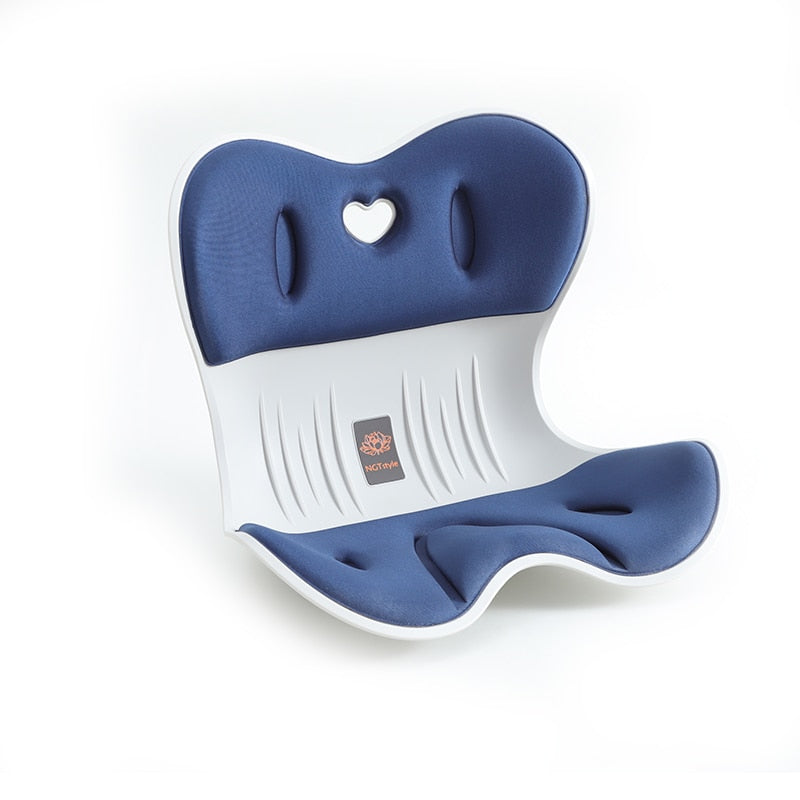
The Non-Slip Breathable Gel Seat Cushion ($64.95) uses a unique honeycomb gel design that maximizes airflow while providing excellent pressure distribution. For seniors who overheat easily or live in warm climates, this is the standout choice.
What Sets It Apart
The honeycomb gel structure flexes with movement, constantly redistributing weight and preventing the static pressure that causes discomfort. Air circulates freely through the gel channels, keeping the seating surface cool. The non-slip bottom prevents dangerous cushion sliding.
Pros: Excellent airflow and cooling, flexible gel distributes weight, non-slip safety bottom, easy to clean
Cons: Heavier than foam cushions, firmness may not suit all users
Best for: Seniors in warm environments or those who overheat while sitting
3. Non-Slip Orthopedic Memory Gel Seat Cushion — Best Hybrid
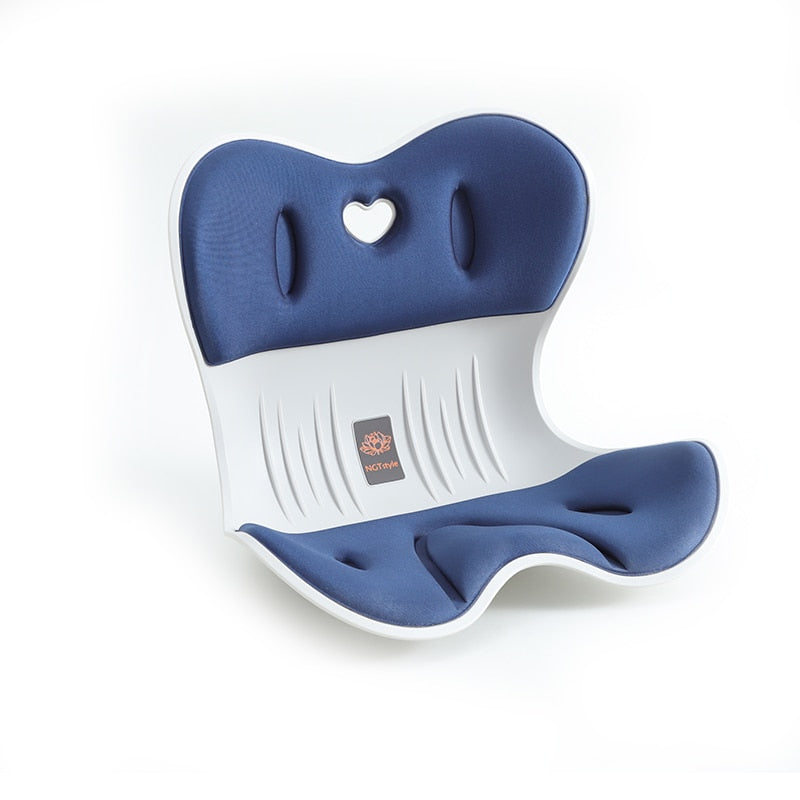
The Non-Slip Orthopedic Memory Gel Seat Cushion ($66.99) combines memory foam's contouring ability with gel's cooling properties. This hybrid approach provides the body-conforming support of foam while managing heat buildup with an integrated gel layer.
What Sets It Apart
The orthopedic design includes a coccyx cutout that relieves tailbone pressure, making it particularly beneficial for seniors recovering from falls or those with chronic tailbone pain. The non-slip bottom and mid-range price make it a balanced choice.
Pros: Foam plus gel hybrid, coccyx pressure relief, non-slip bottom, moderate price
Cons: Added weight from dual materials, may be too thick for some chairs
Best for: Seniors with tailbone pain or those wanting both contouring and cooling
4. Back Support Chair Posture Corrector Cushion — Best Budget
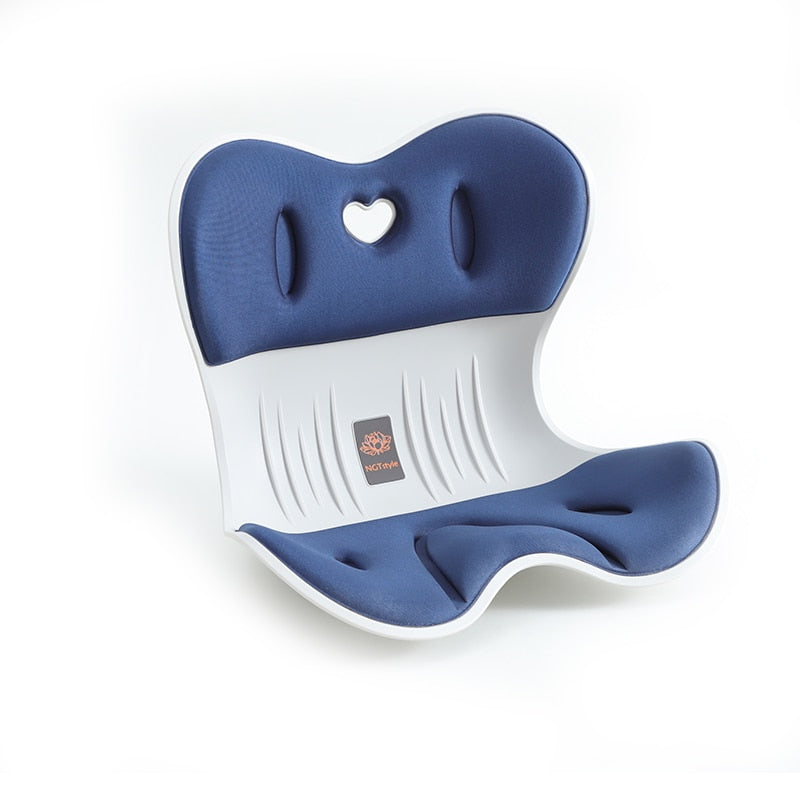
The Back Support Chair Posture Corrector Cushion ($46.95) takes a different approach by targeting the lumbar spine rather than the seat surface. It attaches to the chair back and supports the natural curve of the lower spine, promoting upright posture throughout the day.
What Sets It Apart
At $46.95, this is the most affordable option and can be paired with any seat cushion for comprehensive support. The adjustable straps fit virtually any chair, and the lightweight design makes it easy to carry between rooms or take when traveling.
Pros: Most affordable option, targets lumbar specifically, portable, pairs well with seat cushions
Cons: Does not address seat surface comfort, straps may need readjustment
Best for: Seniors on a budget or those who want to add lumbar support to an existing cushion
Buying Guide: What to Look For
When selecting a seat cushion for an elderly loved one, consider these key factors:
- Material: Memory foam offers contouring, gel offers cooling, and hybrids combine both. Match the material to the primary need
- Thickness: Too thick and it may raise the seated position uncomfortably. Too thin and it will not provide adequate support. Test with the chair the senior uses most
- Non-slip bottom: Essential for safety. A sliding cushion is a fall hazard
- Washability: Removable, machine-washable covers simplify maintenance
- Size: Measure the chair seat before purchasing. The cushion should fit the seat without overhanging the edges
- Weight capacity: Ensure the cushion supports the user's weight without bottoming out
Frequently Asked Questions
How thick should a seat cushion be for an elderly person?
Most seniors find 2-3 inches of cushion thickness optimal. Thinner cushions may not provide enough pressure relief, while thicker cushions can raise the seated position too high and make it harder to stand up. Test different thicknesses with the senior's most-used chair.
Can seat cushions help prevent pressure sores?
Yes. Orthopedic cushions that distribute weight evenly and reduce pressure points can significantly reduce the risk of pressure sores. Memory foam and gel cushions are particularly effective because they contour to the body and eliminate concentrated pressure areas. Seniors at high risk for pressure sores should consult their healthcare provider for specific cushion recommendations.
Should I choose memory foam or gel for a senior?
Memory foam is best for seniors who prioritize contouring support and spend long periods in one position. Gel is better for seniors who overheat easily or need a cushion that adapts to frequent position changes. If your loved one has both needs, a hybrid cushion combines both materials.
How often should orthopedic cushions be replaced?
Replace a cushion when the foam no longer springs back to its original shape or when the gel begins to feel less supportive. Quality cushions typically last 2-3 years with daily use. Check the cushion monthly by pressing into the center; if it does not fully recover within a few seconds, it is time for a replacement.
Conclusion
The right seat cushion can transform a senior's daily comfort and long-term health outcomes. Our top pick, the Back Support Memory Foam Seat Cushion at $99.95, offers the best overall combination of support and durability. For budget-conscious families, the Back Support Chair Posture Corrector Cushion at $46.95 provides meaningful improvement at a lower price point. Consider pairing a seat cushion with a lumbar support for the most comprehensive comfort solution.
Written by