How to Create a Safe Home Environment for Aging Parents
Every year, approximately 3 million older adults are treated in emergency departments for fall-related injuries, according to the Centers for Disease Control and Prevention (CDC). For families caring for aging parents, creating a safe home environment is not just a matter of convenience — it is a critical step in preserving their independence, health, and quality of life. The good news is that most home hazards can be addressed with straightforward modifications and a proactive mindset.
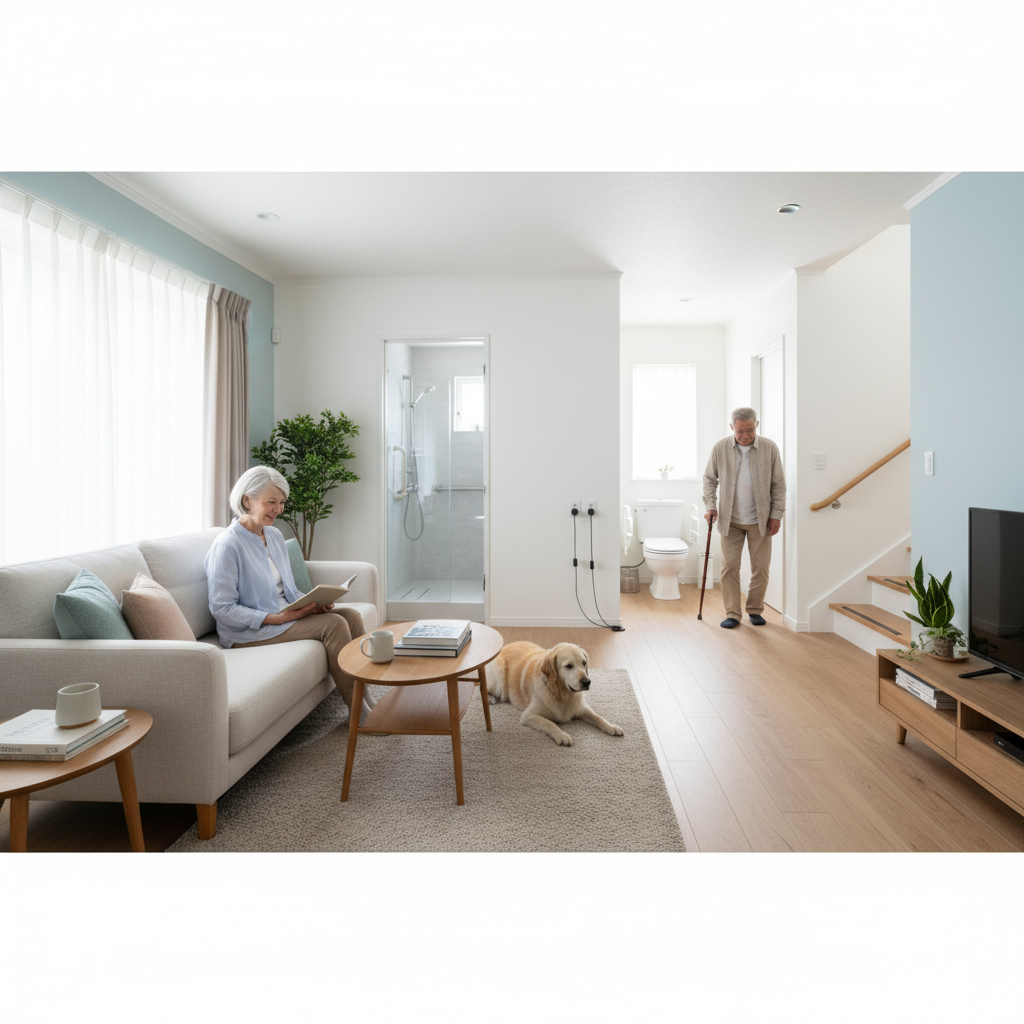
Whether your parent lives alone or with family, a safe home environment for aging parents begins with understanding where the risks are and taking deliberate action to reduce them. This guide walks you through the most important changes you can make, backed by expert research and practical experience.
Understanding the Risks Seniors Face at Home
The home is where most seniors spend the majority of their time, yet it is also where most accidents occur. The National Council on Aging (NCOA) reports that falls are the leading cause of fatal and non-fatal injuries among adults aged 65 and older. Beyond falls, seniors are also at elevated risk for burns, poisoning from medication errors, and injuries from poor lighting or cluttered pathways.
Age-related changes in vision, balance, muscle strength, and reaction time all contribute to these risks. Conditions such as arthritis, Parkinson's disease, and cognitive decline further increase vulnerability. Understanding these factors helps families prioritize the most impactful safety improvements rather than guessing at what might help.
Eliminating Trip and Fall Hazards
Fall prevention should be the top priority in any senior home safety plan. The American Geriatrics Society recommends a comprehensive approach that addresses both environmental hazards and physical fitness. Start with these steps:
- Remove loose rugs and mats — or secure them with non-slip backing. Area rugs are one of the most common trip hazards in the home.
- Clear all walkways — ensure hallways, doorways, and paths between rooms are free of clutter, cords, and furniture.
- Install grab bars — place them in the bathroom near the toilet and inside the shower or tub. The CDC recommends grab bars as one of the most effective fall prevention measures.
- Add non-slip strips — apply them to bathtub floors, shower floors, and any steps or ramps.
- Secure stair railings — ensure handrails are sturdy on both sides of all stairways and extend the full length of the stairs.
Dr. Mary Tinetti, a geriatrician at Yale School of Medicine and a pioneer in fall prevention research, emphasizes that "most falls are caused by a combination of factors, and addressing even a few can significantly reduce risk." A systematic walkthrough of the home, room by room, is the best way to identify and address hazards before an injury occurs.
Improving Lighting Throughout the Home
Poor lighting is a frequently overlooked contributor to falls and accidents among seniors. The Lighting Research Center notes that adults over 60 need roughly three times more light than younger adults to see clearly. Yet many homes rely on dim, outdated, or poorly placed lighting fixtures.
To improve visibility and safety, consider these changes:
- Install nightlights in hallways, bathrooms, and bedrooms to illuminate nighttime trips.
- Use motion-sensor lights at doorways, staircases, and along the path from the bedroom to the bathroom.
- Increase bulb wattage where possible, or switch to bright LED bulbs that mimic daylight.
- Add under-cabinet lighting in the kitchen to improve visibility while cooking and preparing meals.
- Place light switches at both ends of hallways and staircases so your parent never has to walk through darkness to reach a switch.
Making the Bathroom Safer
The bathroom is statistically the most dangerous room in the house for seniors. The CDC reports that approximately 235,000 people over age 15 visit emergency departments each year because of injuries sustained in the bathroom, with the highest injury rates among adults aged 65 and older. Wet, slippery surfaces combined with hard fixtures create a high-risk environment.
Key bathroom modifications include:
- Walk-in shower or tub — replacing a traditional tub with a walk-in model eliminates the need to step over a high ledge.
- Shower chair or bench — allows your parent to sit while bathing, reducing fatigue and fall risk.
- Handheld showerhead — makes bathing easier and more comfortable, especially when seated.
- Raised toilet seat — reduces the distance seniors need to lower themselves, easing strain on knees and hips.
- Non-slip bath mat — place both inside and outside the tub or shower.
Occupational therapists often recommend a professional home safety assessment for families who are unsure where to start. Many local Area Agencies on Aging offer these evaluations at low or no cost.
Kitchen Safety for Seniors
The kitchen presents risks from sharp objects, hot surfaces, and the potential for gas leaks or fires. The National Fire Protection Association (NFPA) reports that cooking is the leading cause of home fires in the United States, and adults aged 65 and older face a disproportionately higher risk of cooking-related fire deaths.
Practical kitchen safety measures include:
- Move frequently used items to lower shelves and countertops to avoid reaching or climbing.
- Replace a gas stove with an induction or electric cooktop to eliminate open flame hazards.
- Install an automatic stove shut-off device that turns off the burner if it detects no activity.
- Use a kettle with an auto-shutoff feature instead of boiling water on the stove.
- Keep a fire extinguisher in an easily accessible location and ensure your parent knows how to use it.
Emergency Preparedness and Communication
Even with the best safety modifications, emergencies can still happen. Having a plan in place ensures that help arrives quickly when it is needed. AARP recommends that every senior living at home should have:
- A medical alert system or personal emergency response system (PERS) that can summon help with the press of a button.
- A list of emergency contacts posted in a visible location, such as on the refrigerator.
- A charged cell phone kept within reach at all times, with emergency contacts programmed for one-touch dialing.
- Smoke detectors and carbon monoxide detectors tested monthly and equipped with fresh batteries.
- An emergency kit with flashlights, a battery-powered radio, medications, and basic first-aid supplies.
Consider scheduling regular check-ins — whether in person, by phone, or via video call — so that any new hazards or changes in your parent's mobility can be addressed promptly.
Conclusion
Creating a safe home environment for aging parents does not require a massive renovation or an enormous budget. Many of the most effective changes — removing trip hazards, improving lighting, adding grab bars — are affordable and can be completed in a single weekend. The key is to be thorough, systematic, and willing to revisit the home regularly as your parent's needs evolve. By taking proactive steps today, you can help your aging parent maintain their independence, avoid preventable injuries, and continue living comfortably in the home they love.
Written by